The Union government has announced significant administrative changes in the Ministry of Education, with two new secretaries taking charge while senior bureaucrat Vineet Joshi has been moved to the Ministry of Panchayati Raj. Such high-level bureaucratic reshuffles are routine in the Indian Administrative Service but often carry implications for policy direction and implementation.
Understanding the Role of Education Secretaries
In India's administrative framework, secretaries occupy the highest bureaucratic position within a ministry. They serve as the principal advisors to ministers and are responsible for translating policy decisions into actionable programs. The Ministry of Education, given its vast mandate covering school education, higher education, and skill development, typically has multiple secretaries handling different departments.
These officials oversee everything from the implementation of the National Education Policy to the functioning of premier educational institutions, scholarship programs, and regulatory frameworks governing universities and schools across the country. Their decisions impact millions of students, teachers, and educational institutions.
Vineet Joshi's Tenure and Contributions
Vineet Joshi, a 1992-batch IAS officer from the Manipur cadre, has been a prominent figure in India's education administration. During his tenure in the education ministry, he would have been involved in key policy initiatives and the day-to-day administration of various educational programs.
His transfer to the Ministry of Panchayati Raj represents a lateral move within the government structure. The Panchayati Raj Ministry plays a crucial role in strengthening local self-governance and rural development, making it another critical portfolio in the Indian administrative system.
Why Bureaucratic Reshuffles Matter
Administrative transfers at the secretary level are significant for several reasons:
- They bring fresh perspectives and approaches to longstanding challenges in the education sector
- New leadership can accelerate pending reforms or introduce course corrections in existing policies
- They reflect the government's priorities and areas requiring renewed administrative focus
- Such changes often precede major policy announcements or structural reforms
Current Challenges in India's Education Sector
The new secretaries will inherit a complex landscape of challenges and opportunities. The education sector is currently navigating the implementation of the National Education Policy 2020, which envisions a comprehensive overhaul of India's education system from foundational to higher education levels.
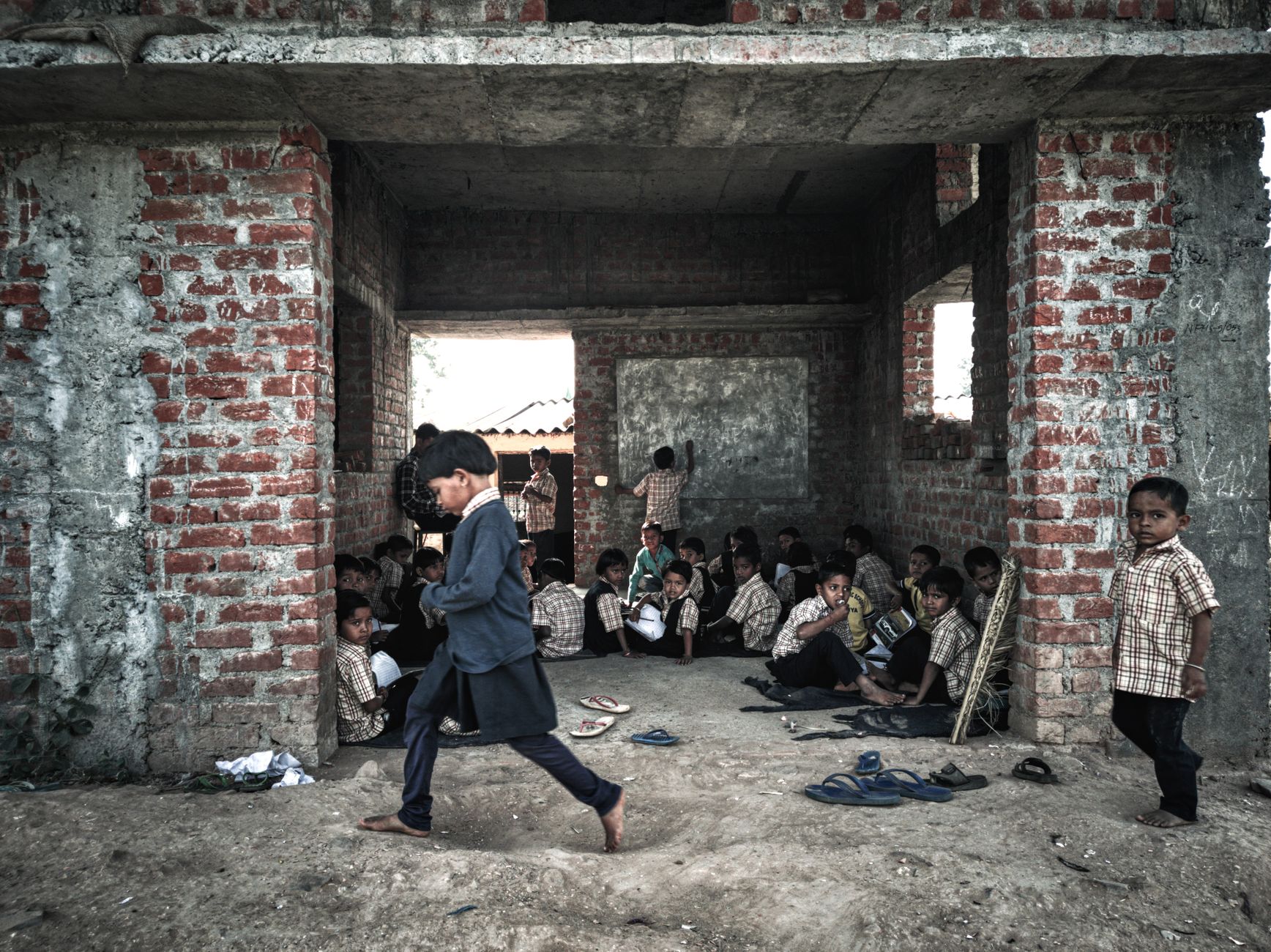
Key areas requiring administrative attention include the expansion of quality education in rural areas, bridging the digital divide exposed during the pandemic, improving learning outcomes, addressing teacher shortages, and modernizing curriculum frameworks. The secretaries will also need to focus on regulatory reforms in higher education, promoting research and innovation, and ensuring equitable access to education across socioeconomic groups.
The Path Ahead
The appointment of new secretaries often brings renewed energy to policy implementation. These officials will work closely with the Union Education Minister to advance the government's vision for transforming India into a knowledge economy. Their priorities may include strengthening school infrastructure, promoting vocational education, internationalizing Indian universities, and leveraging technology for improved learning outcomes.
The education ministry's work also intersects with other national priorities such as skill development for employment, digital literacy, and making India a global education hub. The new secretaries will need to coordinate across ministries and with state governments, given that education is a concurrent subject under India's constitutional framework.
Impact on Stakeholders
For the education ecosystem—comprising students, parents, teachers, institutions, and edtech companies—such administrative changes can signal shifts in policy emphasis or implementation speed. While secretaries typically maintain continuity in core policies, their individual approaches to problem-solving and priorities can influence how programs are rolled out and monitored.
Educational institutions and state governments will be keen to understand the working styles and focus areas of the new appointees as they engage with the ministry on various matters ranging from funding to regulatory approvals.
The bureaucratic reshuffle in the education ministry represents the government's ongoing effort to bring capable administrators to key positions. As these new secretaries settle into their roles, their decisions and initiatives will shape India's educational trajectory in the coming years, potentially affecting millions of learners and the country's human capital development goals.